
Technology enhances early disease detection (preDx) and remote monitoring (postDx) by enabling continuous health monitoring and timely interventions. Platforms like BioEngine4D™ use AI to analyze life data and create digital biomarkers, transforming smartphones into powerful health monitoring devices. This approach provides real-time health insights, making healthcare more proactive and personalized.

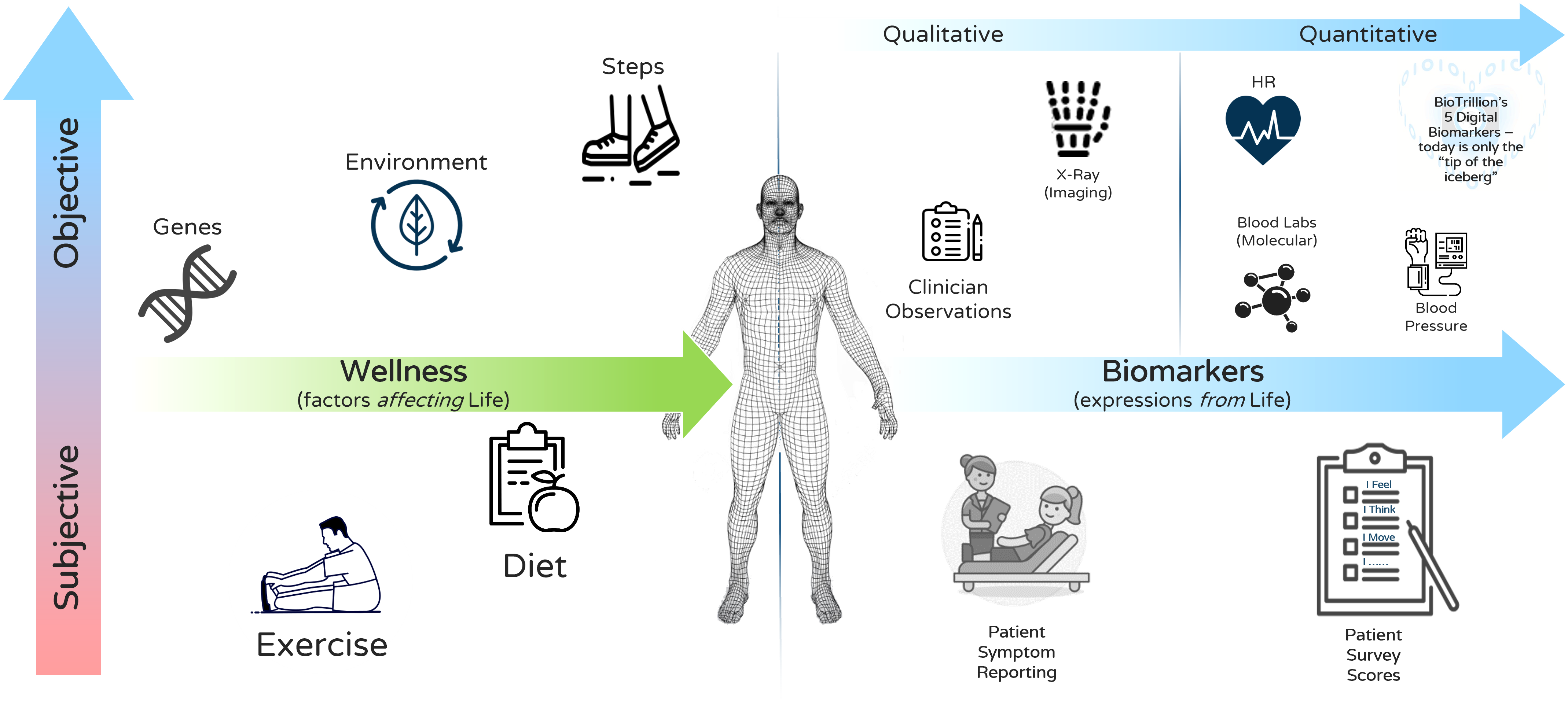
Digital biomarkers are measurable indicators of health status derived from data collected through digital devices, such as smartphones and smartwatches. Unlike traditional molecular biomarkers obtained through invasive methods like blood tests, digital biomarkers can be continuously and non-invasively collected, providing real-time health insights and allowing for more frequent monitoring.
BioEngine4D™ uses AI to analyze life data collected from smart devices to create digital biomarkers. These biomarkers can detect and predict diseases early by processing physiological and behavioral data. This approach allows for continuous health monitoring and offers a comprehensive view of an individual's health, enhancing early detection and disease management.
Digital biomarkers enable early detection and continuous monitoring of chronic diseases, allowing for timely interventions and better disease management. They provide real-time data, helping healthcare providers tailor treatments and manage conditions more effectively, thus improving patient outcomes and quality of life.
Smartphones collect various types of data through multiple modalities, including:
These modalities provide rich and diverse information, which BioEngine4D™ processes to generate digital biomarkers, offering comprehensive health insights.
Examples of digital biomarkers include:
These biomarkers provide valuable health information from everyday interactions with smart devices.
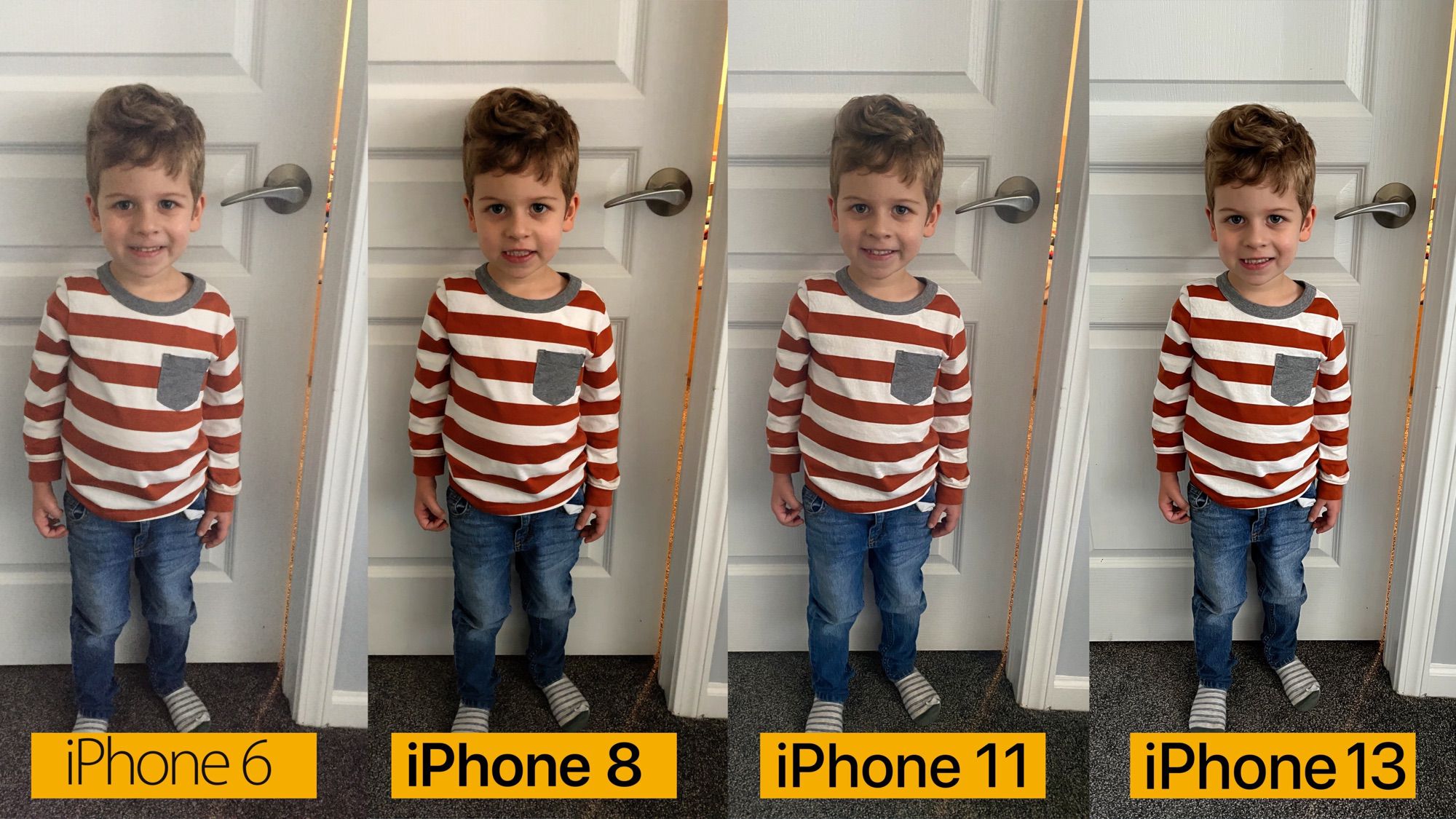
BioTrillion utilizes the advanced cameras in smartphones to capture high-resolution images and videos of physiological features. Optical modality is chosen because it conveys the most information among all modalities. If a picture is worth a thousand words, a video is worth a million. AI algorithms analyze these optical data to extract digital biomarkers, providing insights into various health conditions without the need for invasive procedures.
AI enhances the accuracy of digital biomarkers by processing large volumes of data, identifying patterns, and learning from new data. Techniques like remote photoplethysmography (rPPG) are used to measure blood volume changes from video recordings, but challenges like motion and light artifacts must be addressed. Continuous learning and adaptation improve the precision and reliability of health assessments, making digital biomarkers a powerful tool for early disease detection and monitoring.
Challenges in developing digital biomarkers from optical data include ensuring data quality, managing variations in lighting and angles, and accurately interpreting the captured features. Techniques like remote photoplethysmography (rPPG) help, but issues such as motion and light artifacts need to be mitigated. BioTrillion addresses these challenges with advanced AI algorithms that standardize and analyze the data to generate reliable biomarkers.
The market potential for digital health monitoring technologies is vast, with increasing demand for non-invasive, real-time health monitoring solutions. The global digital health market is projected to reach hundreds of billions of dollars, driven by the growing adoption of smart devices and the need for efficient healthcare solutions. Digital biomarkers offer a scalable and cost-effective approach to healthcare, appealing to a wide range of markets.
BioTrillion's platform has the potential to transform multiple healthcare markets by leveraging decentralization, convenience, and the scalability of having 5 billion smartphones in use globally. People look at their phones every day, creating frequent opportunities for health monitoring. This wide-reaching impact benefits various markets:
Smartphones are crucial for BioTrillion's technology because they are widely accessible, equipped with advanced sensors, and capable of continuous data collection. With 5 billion smartphones in use globally, the potential for large-scale health monitoring is immense. The frequent interaction people have with their phones provides regular opportunities for health assessments, making smartphones an ideal platform for deploying digital biomarkers.
© 2025 BioTrillion, Inc. | All Rights Reserved Worldwide | Terms of Use